Loading…
Peoples and ways of life · book
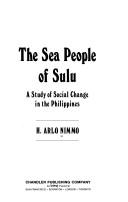
The Sea People of Sulu
A Study of Social Change in the Philippines
- Publisher
- Chandler Publishing
- Year
- 1972
- Language
- English
- Pages
- 104
- ISBN
- 9780810204539
- Availability
- Out of print
No longer sold new: look for it in a library, or for a used copy.
About the book
The boat-dwelling Sama Dilaut of Tawi-Tawi in the 1960s and the changes already reaching them, from the anthropologist who lived among them.
H. Arlo Nimmo's short study, subtitled A Study of Social Change in the Philippines, is based on his fieldwork among the Sama-Bajau of Sulu from 1965 to 1967. It appeared in 1972 in the series Studies in Social and Economic Change.
Nimmo compares the boat-dwelling Sama of Tawi-Tawi with the house-dwelling Sama of Sibutu. He finds clear differences in how households are formed, which marriages are preferred, religious practice, and where power lies in kin groups and villages. The anthropologists at the Human Relations Area Files sum up his finding this way: he traces these differences not to more contact with other cultures, but to the way people reshaped old patterns of behaviour to adapt to a changing political world.
The book has illustrations, a bibliography and an index. Nimmo later wrote The Songs of Salanda, stories drawn from the same fieldwork.
From ehrafworldcultures.yale.edu, archive.org, openlibrary.org.
Cover from Open Library, shown to identify the book; its rights stay with the publisher.
More by H. Arlo Nimmo
1994Out of print
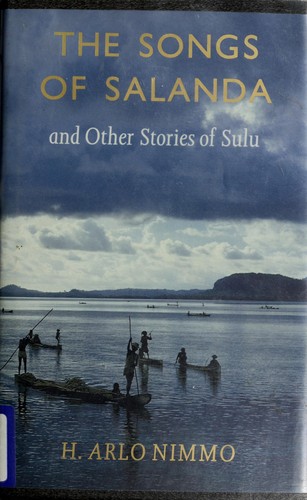
The Songs of Salanda and Other Stories of SuluH. Arlo Nimmo
Stories of the Sama Dilaut of Tawi-Tawi, written by the anthropologist who lived among them, from what he saw and was told.
2001In print
MagosahaH. Arlo Nimmo
Nimmo’s return to the Sama Dilaut three decades on: the full ethnography of a people who had by then mostly come ashore.
On the same shelf
1979Out of print
Muslim Filipinos: Heritage and HorizonPeter G. Gowing
A general introduction to the Muslim peoples of the Philippines, their history, faith and institutions and their place in the republic, written for Filipino readers from the Dansalan Research Center in Marawi.
2002In print
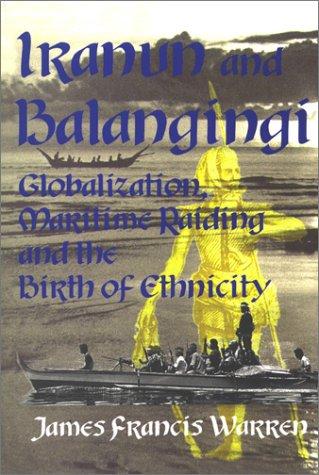
Iranun and BalangingiJames Francis Warren
The Iranun and Balangingi raiders of the eighteenth and nineteenth centuries, the world economy that called their raiding into being, and how a way of life became an ethnic name.
1991Out of print
The Institutions of MaguindanaoGhislaine Loyré
The sultanate, the datus, the law and the ranks of Maguindanao society, set out from Spanish sources and the author’s ethnographic fieldwork.
2007In print
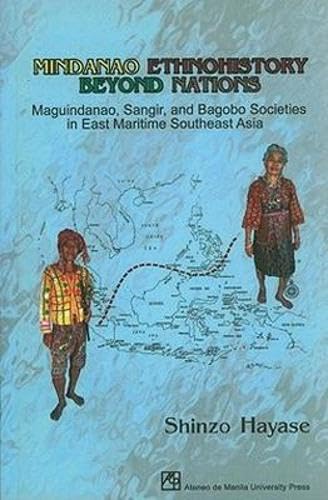
Mindanao Ethnohistory beyond NationsShinzo Hayase
Maguindanao, Sangir and Bagobo as peoples of one sea rather than of two countries, in a history that crosses the border with Indonesia the way they did.
1993Out of print
The Lumad and Moro of MindanaoB. R. (Rudy) Rodil
A short report for an international readership on the two peoples displaced by the settlement of Mindanao and the state of their claims in the early 1990s.

2007Free to read
Ridoed. Wilfredo Magno Torres III
The first systematic study of rido, the clan feuds that take more lives in Muslim Mindanao than the rebellion, with case studies from Lanao, Maguindanao, Sulu and Basilan and the ways communities settle them. Expanded edition from Ateneo de Manila University Press in 2014; the original is free to read.